There's a point in every creative's life when the paycheck stops being worth it.
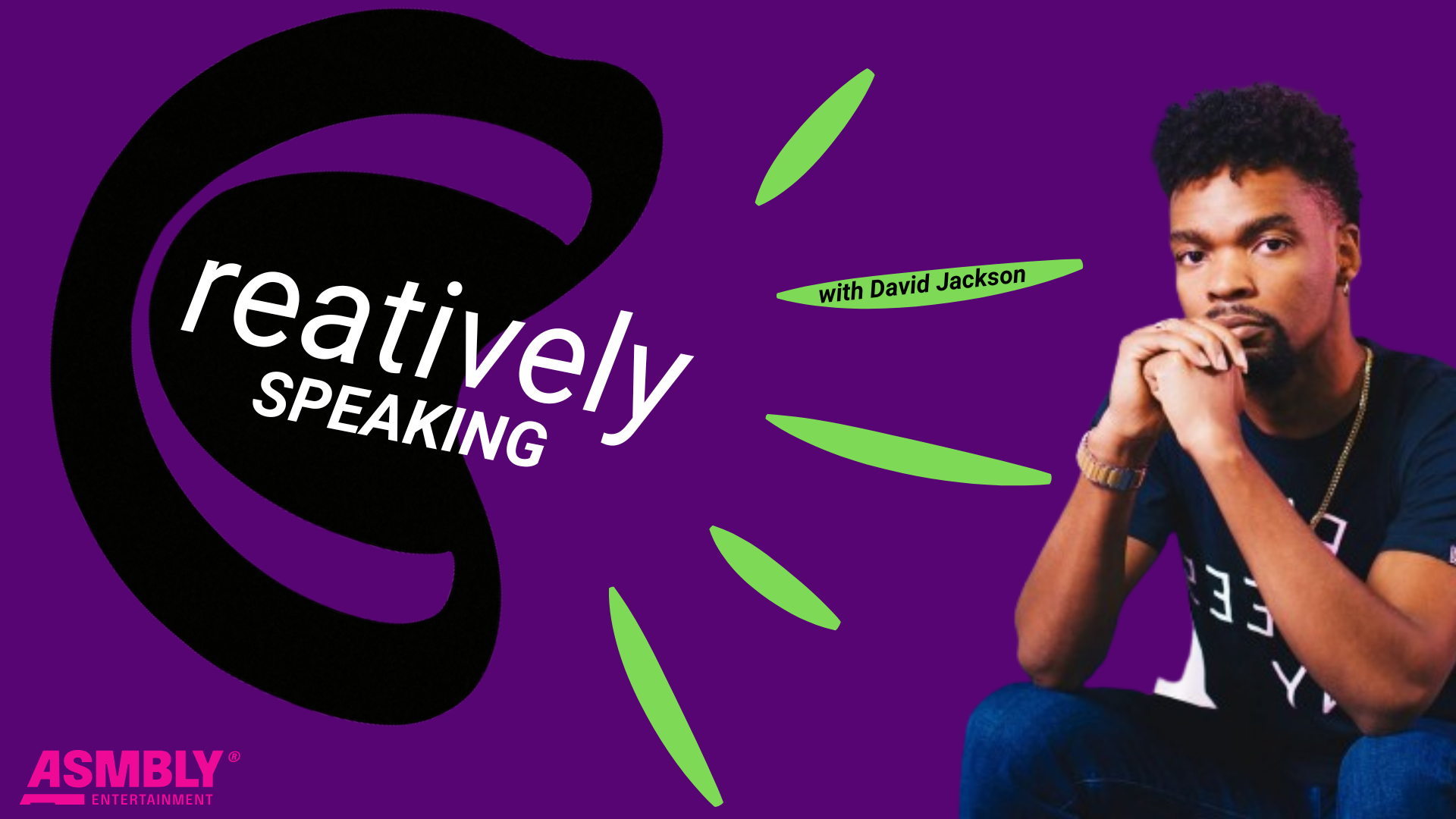
For David Jackson, it was the day he realized he'd spent two years letting other people put a price tag on his worth — and it was always a markdown.
He walked away from agency life without a safety net, just a handful of relationships he trusted and a short list of things he wouldn't compromise on anymore. Out of that leap came BLACK SPACE CREATIVE.
A nimble creative studio built to work the way he wishes the industry did.
David's a motion designer by trade. But that barely scratches the surface. He's a project wrangler, a team assembler, a creative problem-solver who can pull in the right social media strategist, video editor or illustrator on a moment's notice.
And, like me, he's allergic to the hollow parts of this industry: the performative networking, the shiny but empty "award bait," and the briefs that exist to sell what no one really needs.
The Real Ones.
We didn't start with campaigns or credentials.
We started with people.
About how hard it is to find them now.
The real ones.
The ones who care enough to show up — in your inbox, on a call, in your life — without a pitch deck already loaded.
Maybe you're talking to a human. Maybe you're not.
We laughed about how you can spend an entire day "communicating" and never once speak to an actual person. And if you do, it's often by appointment. Scheduled intentionality. No more bumping into someone at their desk and talking about the weather. Now it's: Let's book time to remember we're humans.
I get it.
That's my work now, too. Conversations first. Work second. Because the only way to build anything worth building is to know the people holding the tools.
Make the Team Fit the Work.
I told David my model's simple: Part general contractor. Part magnet for the best creative talent on the planet.
We don't keep people on payroll just to fill hours. We build the team after we hear the brief, not before. So the work comes from people who are right for it — not just people who happen to be sitting in the building. There's too much independent talent out there not to be tapping into it on a regular basis.
We both agreed: traditional agencies get this backwards.
We make the team fit the work. Not the work fit the team.
— KW
The Work Has to Mean Something.
David's silver platter project? A justice-driven political storytelling project.
Judges. Politicians. Advocates. Stories that punched through the noise and left him thinking: I actually contributed to the world I want to live in.
Mine? Helping my favorite people — trees — with a donor acquisition campaign for the American Forest Foundation.
We've both done the other kind of work. The shiny, expensive kind that wins awards and sells sugar water. And sure, money's nice. But when that's the only diet?
If all you make is shiny, empty work, you'll wake up one day surrounded by trash.
And here's the thing no one says out loud: walking away from that work is scary. You don't know when the next project will come. You wonder if you're throwing away the stability you fought for. But you do it anyway — because staying feels worse.
Neither of us is anti-award.
We're anti-building-the-entire-damn-thing-around-an-award.
Good work should win as a byproduct, not a business plan.
— KW
Because if the client's miserable and the audience doesn't care, the trophy doesn't mean a thing.
Smaller Worlds. Bigger Work.
David thinks — and I agree — the industry's shifting toward micro and independent shops. Individuals working with individuals. No velvet ropes. No fifteen layers of approval.
But smaller worlds can feel lonelier, too.
When you leave the machine, you lose the safety of built-in teams and hallway brainstorms. What's left is the search — for collaborators who share your frequency, for work that's worth your time, for clients who value you for more than just filling a role.
Because the industry's full of people looking for permission to work the way they actually want to.
To work with people they actually like.
To work on things they actually care about.
And permission isn't coming from the top.
It's coming from the ground.
From conversations like this one.
From people like David, who'd rather chase meaning than medals.
That's who ASMBLY was built for.
The people still willing to pick up the phone, look you in the eye (even if it's through a screen), and say:
Let's make something worth remembering.
If that's you, let's talk.
If that's who you want to be, same.
And if you're a brand that's tired of filling the world with noise — let's replace it with something worth hearing.